Herschel Walker Career, Politics and Legacy
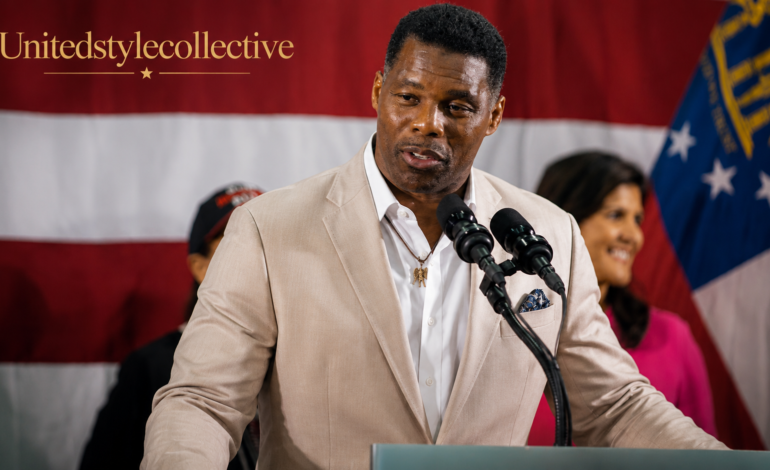
Few American athletes have lived as many public chapters as Herschel Walker. He was a college football phenomenon, a professional running back, an Olympic bobsledder, a businessman, a political candidate, and later a U.S. ambassador.
That mix explains why people still search his name. Some want his football records. Others want to understand his Senate campaign, his connection to Donald Trump, or his diplomatic role in The Bahamas. The short answer is simple: Walker is one of the most famous Georgia Bulldogs ever, but his public image now reaches far beyond sports.
This guide breaks down his life, achievements, controversies, and current relevance in a clear and balanced way.
Who Is Herschel Walker?
Herschel Walker is an American former football player, public figure, and diplomat best known for his legendary college football career at the University of Georgia. He won the Heisman Trophy in 1982 and helped Georgia win the 1980 national championship.
He later played professionally in the USFL and NFL, including time with the Dallas Cowboys, Minnesota Vikings, Philadelphia Eagles, and New York Giants. After football, Walker became involved in business, public speaking, fitness advocacy, and Republican politics.
As of 2026, he is also known for serving as U.S. Ambassador to The Bahamas.
Quick Facts About Walker
| Category | Details |
|---|---|
| Full name | Herschel Junior Walker |
| Born | March 3, 1962 |
| Best known for | Georgia Bulldogs football, Heisman Trophy, NFL career |
| College | University of Georgia |
| Position | Running back |
| Major award | 1982 Heisman Trophy |
| Political party | Republican |
| 2022 race | Republican nominee for U.S. Senate in Georgia |
| Current public role | U.S. Ambassador to The Bahamas |
Early Life and Rise in Georgia
Walker grew up in Georgia and became a standout athlete long before the national spotlight reached him. In high school, he showed rare speed, power, and discipline. His ability was not limited to football. He also competed in track, which helped shape the explosive running style that later made him famous.
When he joined the University of Georgia in 1980, expectations were already high. He exceeded them almost immediately.
As a freshman, Walker became the engine of Georgia’s offense. His physical running style made him difficult to tackle, and his consistency helped the Bulldogs finish the season as national champions. For many Georgia fans, that 1980 season remains one of the most important moments in school history.
College Football Greatness
Walker’s college career is the foundation of his fame. From 1980 to 1982, he became one of the most dominant running backs the sport had ever seen.
Also Read: Sidney Starr Biography Career and Public Influence
He finished in the top three of Heisman Trophy voting in all three college seasons. He placed third as a freshman, second as a sophomore, and first as a junior. That kind of consistency is rare, especially for a player carrying such a heavy workload.
His 1982 Heisman Trophy win confirmed what many fans already believed: he was the best player in college football.
Why His Georgia Career Still Matters
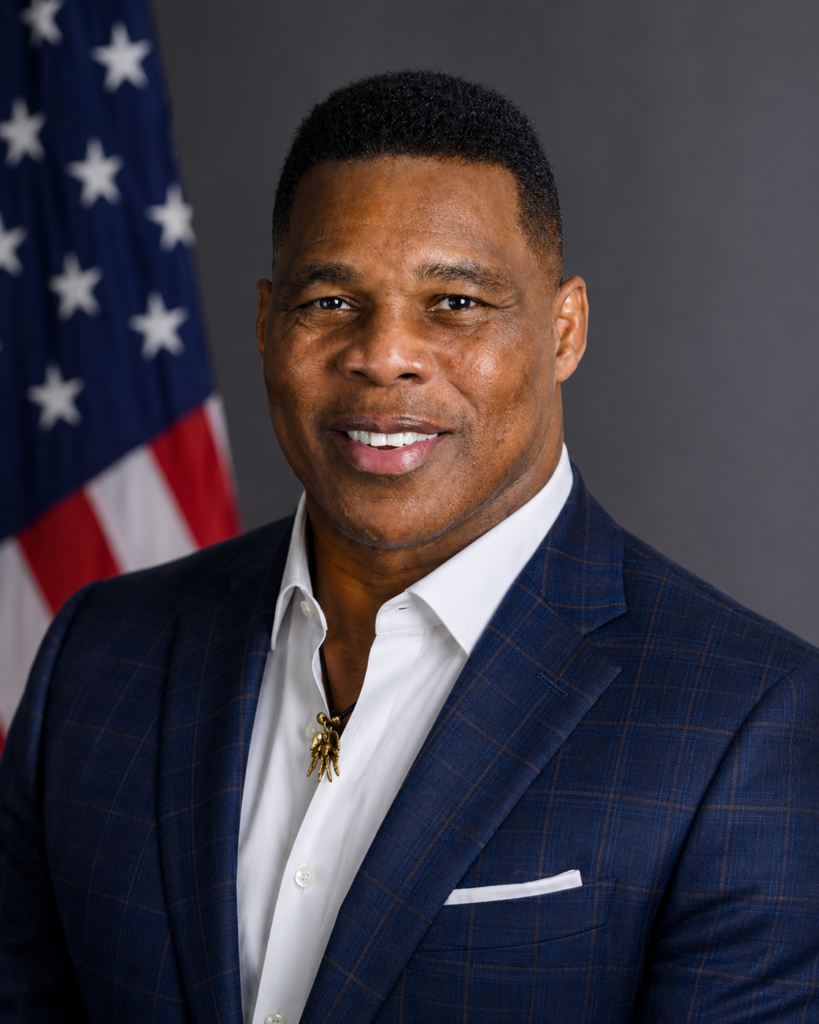
Walker’s Georgia years still matter because they show how much one player can change a program’s identity. He gave the Bulldogs national attention, helped build a winning culture, and became a standard for future Georgia running backs.
His college legacy includes:
- A national championship season in 1980
- The 1982 Heisman Trophy
- Multiple All-American honors
- More than 5,000 rushing yards in three seasons
- A place in the College Football Hall of Fame
Even decades later, sports debates about the greatest college football players often include his name.
Professional Football Career
After college, Walker began his professional career in the United States Football League with the New Jersey Generals. The USFL gave him a major platform before he entered the NFL, and he became one of that league’s biggest stars.
When he moved to the NFL, he played for several teams, most famously the Dallas Cowboys. He was a versatile offensive player who could run, catch passes, and return kicks. That versatility made him valuable even when his NFL career did not fully match the almost mythical level of his college dominance.
The Famous Cowboys-Vikings Trade
One of the biggest moments of Walker’s NFL career came in 1989, when the Dallas Cowboys traded him to the Minnesota Vikings.
That deal became one of the most discussed trades in NFL history. Dallas received players and draft picks that helped build the Cowboys dynasty of the 1990s. For that reason, the trade is often remembered less for what Walker did in Minnesota and more for how it changed Dallas football.
That can feel unfair to Walker as a player, but it shows how one transaction can reshape an entire league.
Beyond Football: Olympics, Business, and Public Life
Walker did not disappear after football. He stayed active in public life through fitness, business, motivational speaking, and sports-related work.
One of the more unusual parts of his career was his appearance in the 1992 Winter Olympics as part of the U.S. bobsled team. It showed that his athletic identity was not limited to football. Few elite football players move into winter sports at that level.
He also became involved in business ventures and fitness advocacy. Over the years, he built a public brand around discipline, physical training, and personal resilience.
Political Career and 2022 Senate Race
Walker’s political profile grew because of his support for Donald Trump and his popularity in Georgia. In 2022, he became the Republican nominee for the U.S. Senate race in Georgia against Democratic Senator Raphael Warnock.
The race attracted national attention. Georgia had become one of the most closely watched political states in the country, and control of the U.S. Senate made the contest even more important.
Walker’s campaign focused on conservative themes, including support for law enforcement, criticism of Democratic policies, and alignment with Trump’s political movement. However, the campaign also faced major scrutiny.
Reporters examined his personal history, past claims, business background, and allegations involving former partners. Walker denied key allegations, but the coverage shaped public debate around his candidacy.
In the December 2022 runoff, Warnock defeated Walker. The result ended Walker’s Senate campaign but did not remove him from politics.
Diplomatic Role in The Bahamas
In 2025, Walker returned to national headlines when he was confirmed as U.S. Ambassador to The Bahamas. The role gave him a new public identity: diplomat.
The Bahamas matters to the United States for several reasons. The two countries share close ties through tourism, trade, regional security, maritime cooperation, and disaster response. Millions of American tourists visit The Bahamas, and the relationship carries real economic and diplomatic weight.
Walker’s appointment drew attention because he was better known as an athlete and political candidate than as a career diplomat. Supporters pointed to his public service, fame, and long relationship with national leaders. Critics questioned whether celebrity and political loyalty should play such a large role in ambassadorial appointments.
A balanced view is this: ambassador roles often include both career diplomats and political appointees. Walker fits the second category. His success in the position depends less on his football fame and more on how effectively he supports U.S.-Bahamas relations.
Public Image: Admired, Debated, and Complicated
Walker’s public image is not simple. Sports fans, especially Georgia fans, still see him as a legend. Political observers often describe him as an example of celebrity politics. Critics, meanwhile, point to his 2022 campaign as a case that raised questions about candidate vetting, personal accountability, and public trust.
That complexity is why his name continues to attract search interest.
He represents several larger American stories at once:
- The lasting power of college sports fame
- The rise of celebrity candidates
- The influence of Trump-era Republican politics
- The difficulty of separating athletic legacy from political controversy
- The changing nature of public service and media attention
Why People Still Search His Name
Search interest around Herschel Walker usually comes from several different angles. Some readers want a simple biography. Others want updates about his ambassador role, net worth, family, football stats, political views, or election history.
The search intent is mixed, which is why the best content needs to answer the main questions quickly.
People commonly want to know:
- What is he doing now?
- Did he win the Heisman Trophy?
- Did he play in the NFL?
- Did he win the Georgia Senate race?
- What is his role in The Bahamas?
- Why is he controversial?
- Is he in the Hall of Fame?
The clearest answer is that Walker is a College Football Hall of Fame athlete whose public life later expanded into politics and diplomacy.
Legacy in Sports
Walker’s sports legacy is secure. Even people who disagree with his politics usually recognize his college football greatness. His Georgia career remains one of the strongest individual runs in NCAA history.
His NFL career is more debated. He had strong production, especially when rushing, receiving, and return yards are considered together. Still, he is not usually ranked with the greatest NFL running backs in the same way he is ranked among college football legends.
That difference matters. In college, he was a once-in-a-generation force. In the NFL, he was very good, versatile, and productive, but his professional career did not dominate the league in the same way.
Legacy in Politics
Walker’s political legacy is still developing. His Senate campaign showed the power and limits of fame in modern elections. Name recognition helped him win a major nomination, but it did not protect him from media scrutiny, campaign mistakes, or voter doubts.
His ambassador role gives him another chance to shape his public record. If he performs well, it may soften some criticism from the 2022 campaign. If the role becomes controversial, it could reinforce doubts about his move from celebrity into government.
Conclusion
Herschel Walker is more than a former football star. He is a public figure whose life crosses sports, politics, business, and diplomacy. His college football achievements turned him into a legend. In the NFL, he showed versatility, durability, and rare athletic range. The 2022 Senate campaign made him a national political figure, while his ambassador role added another unexpected chapter to an already unusual public life.
His story is inspiring in some ways and controversial in others. That is what makes it worth understanding carefully. Walker’s legacy cannot be reduced to one trophy, one election, or one headline. It is a long, complicated public journey shaped by talent, fame, ambition, loyalty, criticism, and reinvention.
FAQs
1. What is Herschel Walker famous for?
He is famous for being one of the greatest college football running backs in history. He won the 1982 Heisman Trophy at the University of Georgia and later played professional football in the USFL and NFL.
2. What is Walker doing now?
As of 2026, Walker is serving as U.S. Ambassador to The Bahamas. This role follows his football career, business work, public speaking, and 2022 U.S. Senate campaign in Georgia.
3. Did Walker win the Georgia Senate race?
No. He was the Republican nominee in Georgia’s 2022 U.S. Senate race, but Democratic Senator Raphael Warnock defeated him in the runoff election.
4. Is Walker in the Pro Football Hall of Fame?
No, he is not in the Pro Football Hall of Fame. He is, however, a member of the College Football Hall of Fame because of his outstanding career at Georgia.
5. Why is Walker controversial?
He became controversial during his political career because of questions about past claims, personal allegations, campaign statements, and his close connection to Donald Trump. Supporters focus on his sports legacy and public service, while critics focus on those controversies.
6. Why is his college career considered legendary?
His college career is considered legendary because he dominated from his freshman season, helped Georgia win a national championship, won the Heisman Trophy, and produced one of the most impressive rushing records in college football history.
For more updates visit: United Style Collective