Floppa Cat The Meme, Meaning, and Brand Power
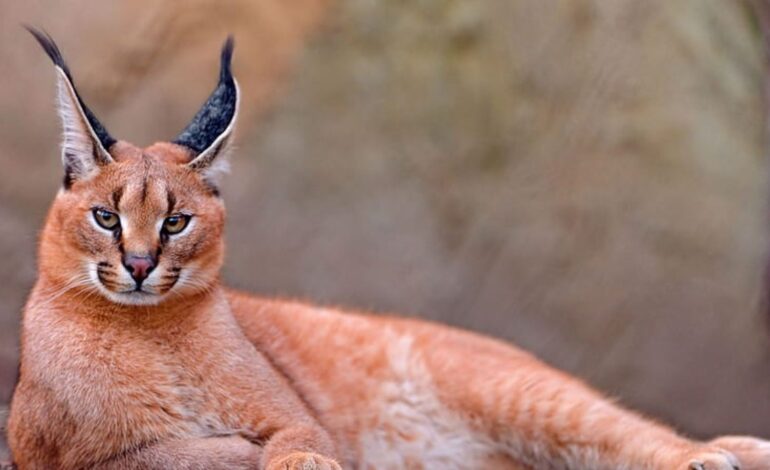
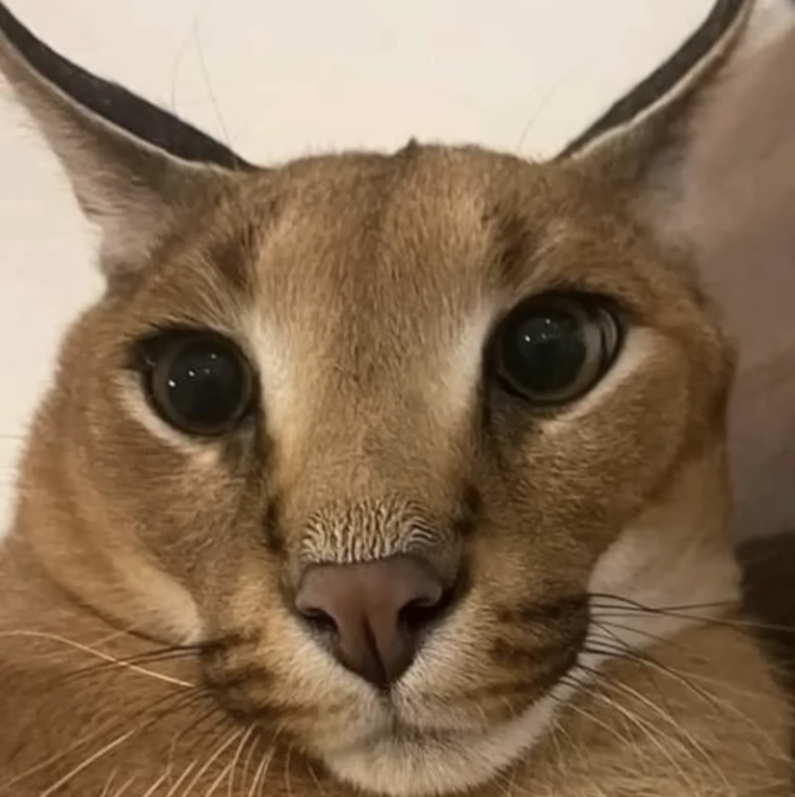
The floppa cat is not just another funny animal on the internet. It is a whole online mood. Big ears, calm face, chunky body, and a strange royal energy made this cat one of the most loved meme icons across social media. People use it in jokes, reaction posts, fan art, stickers, videos, and even small business content because it feels both funny and oddly powerful.
At first glance, the meme looks simple. It is just a big wild-looking cat sitting around. However, that simple image became a digital character with its own personality. It shows how fast internet culture can turn one animal photo into a global trend. For content creators, brands, and meme pages, this is a great lesson in attention, emotion, and community.
What Is the Story Behind This Famous Meme?
The famous “Big Floppa” meme is based on a caracal named Gregory, also known online as Gosha. The caracal is a wild cat species known for its long black ear tufts, reddish-brown coat, and strong build. Britannica describes the caracal as a short-tailed wild cat found in parts of Africa, the Middle East, and Asia.
The meme gained attention around late 2019 and became more popular in 2020, especially through ironic meme pages. Know Your Meme notes that Big Floppa refers to memes based on photos of Gregory and sometimes other medium-sized wild cats.
What made the meme work so well? It had contrast. The cat looked serious, but people placed it in silly captions. That mix created humor. The image felt dramatic, yet harmless. Strong, yet cute. Wild, yet relaxed. That balance made the meme easy to reuse in many online situations.
Why Internet Users Love the Floppa Cat
People love this meme because it feels different from normal cute cat content. A regular house cat often looks soft, sleepy, or playful. A caracal looks bold and serious. Its tall ears and calm face make it seem like a tiny king judging the room.
That visual style gives meme creators a lot to work with. They can use it for jokes about confidence, laziness, power, confusion, or everyday stress. In addition, the meme does not need much explanation. One strong image can carry the whole joke.
Here are a few reasons people keep sharing it:
- It has a unique look that stands out in feeds.
- It works well as a reaction image.
- It feels both funny and cute.
- It fits ironic humor and absurd memes.
- It has a strong fan community.
- It is easy to turn into stickers, edits, and short videos.
Moreover, people enjoy memes that feel like inside jokes. When someone understands a meme like Big Floppa, they feel part of an online group. That feeling keeps the trend alive.
The Real Animal Behind the Meme
A caracal is not a normal pet cat. It is a wild cat with natural hunting instincts, powerful legs, and sharp senses. Its long black ear tufts are one of its most famous features. These ears help create the dramatic look that made the meme so memorable.
Caracals are usually solitary and active at night. They hunt birds and small mammals in the wild. Because of this, they need proper space, care, and expert handling. They are not like regular indoor cats that enjoy simple home routines.
This point matters because memes can sometimes make wild animals look like easy pets. However, internet fame should not hide animal welfare. A funny meme can be enjoyed without encouraging people to keep wild animals in unsafe home settings.
| Feature | Why It Matters Online |
|---|---|
| Large ears | Creates a bold and funny look |
| Calm face | Works well for reaction memes |
| Wild-cat body | Makes the image feel unusual |
| Serious expression | Adds humor when paired with silly text |
| Strong identity | Helps fans remember the character |
In short, the real animal is beautiful and fascinating, but it should be respected as wildlife first.
Key Features That Make the Meme So Shareable
Every viral meme has a few strong features. Some memes spread because of a phrase. Some spread because of a sound. This one spread because of a face, a mood, and a clear visual identity.
The first key feature is recognition. You can see the big ears and know exactly which meme family it belongs to. That makes it easy for fans to spot in a busy feed.
The second feature is flexibility. The same image can be used for many topics. A student can use it for exam stress. A worker can use it for Monday mood. A gamer can use it for victory jokes. A brand can use it for playful social media content.
The third feature is emotional range. It can look serious, bored, proud, confused, or relaxed depending on the caption. That gives creators room to play with different moods.
The fourth feature is community value. Fans do not just share the meme. They build a whole world around it. They create names, stories, edits, drawings, and inside jokes. That turns a single image into a long-term internet character.
Why Brands and Creators Can Learn From This Trend
Meme culture is not only for fun. It teaches real lessons about online attention. Businesses, creators, and social media managers can learn a lot from why this meme worked.
First, simple content can be powerful. A clear image with the right emotional feeling can travel farther than a polished ad. People scroll fast. They stop when something feels human, funny, or familiar.
Second, personality matters. The meme feels like a character, not just a picture. Brands can use the same idea by giving their content a clear voice. A brand that sounds warm, clever, and real is easier to remember.
Third, timing matters. Memes move quickly. If a brand joins a trend too late or uses it badly, the content may feel forced. However, when done carefully, meme-style content can make a brand feel fresh and relatable.
Fourth, audience respect matters. Online users can tell when a company is trying too hard. A good brand should join the joke without ruining it. The best approach is light, simple, and natural.
Benefits for Businesses Using Meme-Inspired Content
Meme-inspired content can help businesses connect with people in a more relaxed way. It is not about acting silly all the time. It is about showing that your brand understands online culture.
For small businesses, meme-style posts can increase engagement without a huge budget. A smart caption, a funny idea, or a relatable visual can perform better than a plain sales post.
For creators, it can build community. People enjoy sharing content that makes them laugh. When followers share your post, your reach grows naturally.
For e-commerce brands, meme culture can support product promotion. For example, a pet brand, sticker shop, print-on-demand store, or digital art shop can use animal-inspired humor to create fun product ideas. However, the content should still feel original and not copy protected images or someone else’s exact artwork.
For service businesses, meme content can soften a serious topic. A marketing agency could use a funny cat meme idea to explain poor website traffic. A design studio could use it to show “before and after” branding moods. A social media manager could use it to talk about engagement drops in a playful way.
Why Choose This Style of Content for Online Growth?
Choosing this style of content works best when your audience enjoys humor, pop culture, pets, gaming, or internet trends. It gives your brand a friendly face and makes your posts feel less like ads.
However, the goal is not to chase every trend. The goal is to choose trends that match your voice. If your brand is playful, young, creative, or community-based, meme-style content may work well. If your brand is highly formal, you can still use light humor, but it should be more careful.
This type of content can help with:
- Higher social media engagement
- Better shareability
- Stronger brand personality
- More comments and reactions
- Better connection with younger audiences
- Easier content ideas for campaigns
In addition, meme-inspired content can make hard topics easier to understand. People may ignore a long promotional post, but they may stop for a funny image with a smart message.
Creative Content Ideas Around Big-Eared Meme Culture
There are many safe and original ways to create content inspired by this meme style. The key is to avoid copying exact images without permission. Instead, you can use the mood, structure, or humor style.
A pet blog could write about famous internet cats and explain why people love them. A design page could create original cartoon-style big-eared cat characters. A sticker shop could design expressive animal stickers with different moods. A marketing blog could use the trend as a case study about viral branding.
Here are some creative angles:
- “What internet cats teach us about branding”
- “Why funny animal content gets shared so fast”
- “How meme culture shapes social media trends”
- “The difference between cute content and memorable content”
- “How small brands can use humor without looking unprofessional”
These ideas give real value while keeping the tone fun. Moreover, they can work for blogs, reels, carousels, newsletters, and product descriptions.
How to Use the Trend Without Looking Forced
Not every meme belongs in every business post. A bakery, pet store, gaming page, or digital art shop can use playful meme culture more easily than a law firm or medical clinic. Still, even serious brands can use soft humor if the message stays clear and respectful.
The best method is to keep the meme as a supporting idea, not the whole strategy. Your content should still answer a need. It should teach, entertain, or guide the reader.
For example, a social media agency could say, “Your brand needs a stronger personality, not just prettier posts.” Then it could explain how viral characters become memorable. This uses meme culture as a teaching tool.
Also, avoid overusing one joke. A trend can become tired if it appears too often. Use it as part of a wider content plan with tutorials, tips, stories, customer examples, and helpful guides.
Common Mistakes to Avoid
Many brands make meme content feel awkward because they treat it like a shortcut. They think adding a popular image will make people care. That is not enough. The idea must fit the audience and message.
One mistake is copying a meme without adding anything new. This makes the post forgettable. Another mistake is using humor that does not match the brand. If the tone feels fake, people notice.
A third mistake is ignoring copyright and image rights. Just because a picture is popular online does not mean every business can use it freely. Original graphics, licensed visuals, or custom illustrations are safer choices.
A fourth mistake is forgetting the call to action. Funny content can attract attention, but it should still lead somewhere. Ask readers to explore your products, follow your page, read a guide, or contact your team.
The SEO Value of Meme-Based Articles
Meme-based articles can bring useful organic traffic when written with care. People search for meanings, origins, names, animal facts, and related internet culture. A good article can answer those questions in one clear place.
To make this type of article stronger for SEO, include helpful sections, natural language, and related terms. Do not repeat the same keyword again and again. Instead, use connected phrases like internet meme, caracal, viral cat, big ears, social media trend, meme culture, online humor, pet content, fan art, reaction image, digital community, and viral branding.
Search engines reward content that helps real readers. That means your article should explain the topic, give context, and answer common questions. It should not be only a thin page stuffed with keywords.
A strong meme article can work well for blogs about pets, social media, internet culture, branding, digital marketing, entertainment, or online trends.
Future of Animal Memes and Online Characters
Animal memes are not going away. People love animals because they are expressive, simple, and emotional. A funny animal can cross language barriers. You do not always need long text to understand the joke.
In the future, more animal characters may become brand-like icons. Some may come from short videos. Others may come from photos, fan edits, or community jokes. The strongest ones will have a clear look, a strong mood, and an active fan base.
For creators and businesses, the lesson is clear. Build content that people feel something about. Make it easy to share. Keep it simple. Add personality. Respect the audience. When those things work together, even one image can become a movement.
Conclusion
The floppa cat became famous because it had everything the internet loves: a unique look, a strong personality, and endless meme potential. It started as a funny image of a caracal, but online communities turned it into a full cultural symbol.
For readers, it is a fun piece of internet history. For creators and businesses, it is a useful reminder that memorable content does not always need to be complicated. Sometimes, one clear image, one strong mood, and one relatable joke can do more than a polished campaign.
So, whether you run a blog, a pet brand, a social media page, or a creative business, take the lesson seriously. Explore trends, understand your audience, and create content that feels real. When your content has personality, people are more likely to stop, smile, share, and come back for more.
FAQs
What is the floppa cat?
The floppa cat is a popular internet meme based mainly on a caracal named Gregory, also called Gosha online. People love it because of its large ears, serious face, and funny meme personality.
Is Big Floppa a normal house cat?
No, Big Floppa is based on a caracal. A caracal is a wild cat species, not a regular domestic house cat. It may look cute online, but it has natural wild instincts.
Why did Big Floppa become famous?
Big Floppa became famous because the image looked unique, funny, and easy to use in many jokes. Its serious face worked well with silly captions and ironic internet humor.
Can businesses use this meme style for marketing?
Yes, businesses can use meme-inspired style if it fits their audience. However, they should create original visuals, respect image rights, and avoid forcing jokes that do not match their brand voice.
What can content creators learn from this meme?
Creators can learn that strong personality, simple visuals, and community participation can make content more shareable. A clear mood often matters more than perfect design.
For more updates visit: United Style Collective