Doctorhub360.com Amino Acids: Benefits, Types, and Health Insights
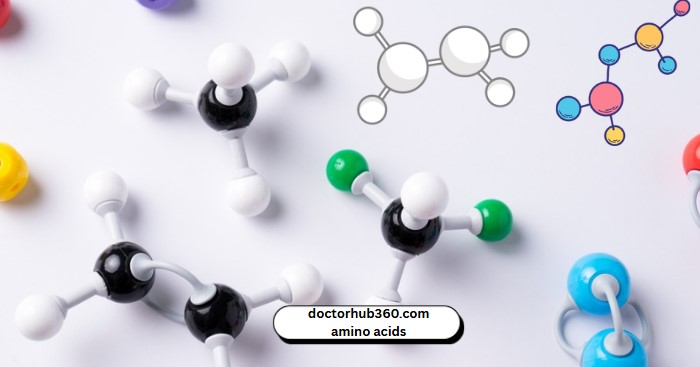
Amino acids are often called the building blocks of life—and for good reason. They help create proteins, support muscle growth, assist hormone production, and play a role in countless functions throughout the body.
Many people searching for doctorhub360.com amino acids are looking for reliable information about what amino acids do, why they matter, and whether supplementation is necessary. This guide brings together the essential facts in a clear, practical format so you can better understand their role in health and nutrition.
What Are Amino Acids?
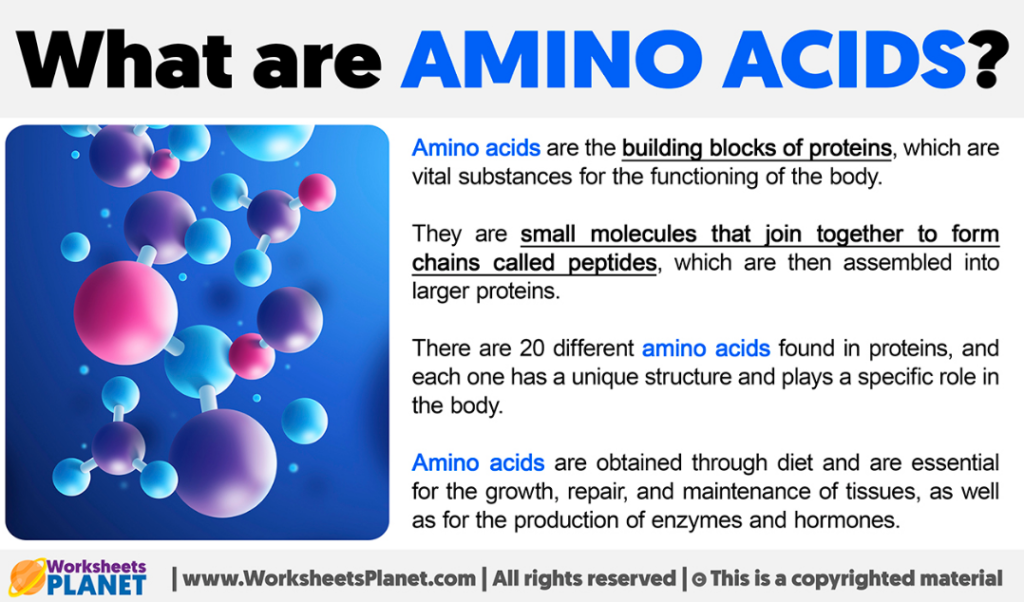
Amino acids are organic compounds that combine to form proteins. Every cell in your body relies on proteins for structure, repair, and function.
When you eat protein-rich foods such as meat, fish, eggs, dairy products, beans, or nuts, your body breaks those proteins down into amino acids. These amino acids are then used to build and repair tissues, produce enzymes, support the immune system, and perform many other vital tasks.
There are 20 amino acids commonly used by the human body to build proteins.
The Three Main Types of Amino Acids
Not all amino acids are the same. They are generally divided into three categories.
| Type | Description | Examples |
|---|---|---|
| Essential Amino Acids | Must come from food because the body cannot make them | Leucine, Lysine, Tryptophan |
| Non-Essential Amino Acids | Produced naturally by the body | Alanine, Asparagine |
| Conditional Amino Acids | Usually produced by the body but may be needed from food during illness or stress | Arginine, Glutamine |
Essential Amino Acids
There are nine essential amino acids:
- Histidine
- Isoleucine
- Leucine
- Lysine
- Methionine
- Phenylalanine
- Threonine
- Tryptophan
- Valine
These must be obtained through your diet.
Non-Essential Amino Acids
Despite the name, non-essential amino acids are still important. The term simply means your body can produce them without relying entirely on dietary sources.
Conditional Amino Acids
Certain conditions such as severe illness, injury, recovery from surgery, or intense physical stress may increase the body’s need for specific amino acids.
Why Amino Acids Matter for Health
Amino acids do far more than support muscle growth.
1. Muscle Development and Recovery
Athletes and active individuals often focus on amino acids because they contribute to:
- Muscle protein synthesis
- Recovery after exercise
- Reduced muscle breakdown
- Improved adaptation to training
Leucine, in particular, is widely recognized for its role in stimulating muscle-building processes.
2. Immune System Support
Many amino acids help produce antibodies and immune cells that protect the body from infections.
3. Hormone Production
Several hormones depend on amino acids for their formation. For example:
- Tryptophan contributes to serotonin production.
- Tyrosine supports dopamine and adrenaline production.
4. Brain Function
The brain relies on amino acids to create neurotransmitters that influence:
- Mood
- Concentration
- Sleep quality
- Stress response
5. Tissue Repair
From skin and hair to internal organs, amino acids help repair damaged tissues and support normal growth.
Best Food Sources of Amino Acids
The easiest way to obtain amino acids is through a balanced diet.
Animal-Based Sources
Complete proteins contain all nine essential amino acids.
Examples include:
- Eggs
- Chicken
- Turkey
- Fish
- Beef
- Dairy products
- Greek yogurt
Plant-Based Sources
Many plant foods contain amino acids, although some are lower in specific essential amino acids.
Good options include:
- Lentils
- Beans
- Chickpeas
- Quinoa
- Soy products
- Tofu
- Tempeh
- Nuts and seeds
Complete vs. Incomplete Proteins
A complete protein contains all essential amino acids in sufficient amounts.
Examples:
Complete Proteins
- Eggs
- Fish
- Meat
- Soy
- Quinoa
Incomplete Proteins
- Rice
- Beans
- Nuts
- Vegetables
Combining different plant proteins throughout the day can help provide a complete amino acid profile.
Amino Acids and Fitness
One reason the topic of doctorhub360.com amino acids attracts attention is the growing interest in fitness and sports nutrition.
Branched-Chain Amino Acids (BCAAs)
BCAAs include:
- Leucine
- Isoleucine
- Valine
These amino acids are popular among athletes because they are directly involved in muscle metabolism.
Potential benefits may include:
- Supporting exercise recovery
- Reducing muscle soreness
- Preserving lean muscle during calorie restriction
However, many nutrition experts note that people consuming enough high-quality protein may not require separate BCAA supplements.
Essential Amino Acid Supplements
Some research suggests that complete essential amino acid formulas may provide broader benefits than BCAAs alone because they include all amino acids needed for protein synthesis.
Signs of Inadequate Protein or Amino Acid Intake
Severe amino acid deficiencies are uncommon in people who consume enough calories and protein.
However, inadequate protein intake may contribute to:
- Muscle loss
- Fatigue
- Slow recovery
- Weakness
- Poor wound healing
- Hair thinning
- Reduced immune function
If symptoms persist, professional medical advice is important because many health conditions can cause similar issues.
Do You Need Amino Acid Supplements?
For most healthy individuals, food should be the primary source of amino acids.
Supplementation may sometimes be considered for:
- Athletes with high training demands
- Older adults concerned about muscle preservation
- People recovering from illness
- Individuals with limited dietary protein intake
Situations Where Supplements May Help
Supplements might be useful when:
- Protein needs are difficult to meet through food
- Recovery requirements are increased
- Medical professionals recommend them
Situations Where They May Not Be Necessary
They may provide limited additional benefit when:
- Daily protein intake is already adequate
- A balanced diet is consistently maintained
- Fitness goals are being met through nutrition alone
Always consult a qualified healthcare professional before beginning supplementation, especially if you have medical conditions or take medications.
Common Amino Acids and Their Functions
Leucine
Known for supporting muscle protein synthesis and recovery.
Glutamine
Often discussed for immune support and recovery during physical stress.
Arginine
Involved in nitric oxide production, which helps blood vessels function normally.
Tryptophan
Acts as a precursor to serotonin and melatonin.
Lysine
Supports protein production, tissue repair, and normal growth.
What Readers Should Know About Online Health Information
When exploring topics such as doctorhub360.com amino acids, it is important to evaluate health content carefully.
Look for information that:
- References scientific evidence
- Avoids miracle claims
- Explains risks and limitations
- Encourages professional medical advice when needed
- Distinguishes facts from opinions
Trustworthy health information should educate rather than promise unrealistic outcomes.
Amino Acids vs. Protein: What’s the Difference?
People often use the terms interchangeably, but they are not identical.
| Protein | Amino Acids |
|---|---|
| Large molecules found in food and body tissues | Individual building blocks that form proteins |
| Broken down during digestion | Absorbed and used by the body |
| Examples include chicken, fish, beans, eggs | Examples include leucine, lysine, tryptophan |
Think of proteins as a wall and amino acids as the bricks used to build it.
Practical Tips for Getting Enough Amino Acids
Focus on Protein at Every Meal
Examples include:
- Eggs at breakfast
- Chicken or beans at lunch
- Fish or tofu at dinner
Include Variety
Different foods provide different amino acid profiles.
Prioritize Whole Foods
Whole-food protein sources often provide additional nutrients such as vitamins, minerals, and healthy fats.
Support Recovery
Active individuals may benefit from consuming protein after exercise as part of an overall balanced diet.
Conclusion
Amino acids are fundamental to nearly every function in the human body. They help build proteins, support muscle recovery, contribute to hormone and neurotransmitter production, and assist tissue repair. Most people can meet their amino acid needs through a balanced diet rich in quality protein sources.
For those researching doctorhub360.com amino acids, the key takeaway is simple: understanding amino acids begins with understanding protein quality, dietary balance, and individual health needs. Supplements may have a place in specific situations, but nutrition should remain the foundation of long-term wellness.
FAQs
What are amino acids used for?
Amino acids are used to build proteins, repair tissues, support immune function, produce hormones, and create neurotransmitters that help regulate mood and brain function.
How many essential amino acids are there?
There are nine essential amino acids that must be obtained through food because the body cannot produce them on its own.
Can vegetarians get enough amino acids?
Yes. By consuming a variety of plant-based protein sources such as beans, lentils, soy products, nuts, seeds, and whole grains, vegetarians can obtain all essential amino acids.
Are amino acid supplements safe?
Many amino acid supplements are generally considered safe when used appropriately, but individual needs vary. Consulting a healthcare professional is recommended before starting any supplement.
What foods contain all essential amino acids?
Foods such as eggs, fish, poultry, meat, dairy products, soy, and quinoa are considered complete protein sources because they provide all essential amino acids.
Are BCAAs better than protein powder?
Not necessarily. A complete protein source typically provides all essential amino acids, while BCAAs contain only three. The best option depends on dietary intake and individual goals.
For more updates visit: United Style Collective