Craving Eel Nigiri Here’s How to Find the Best Near You
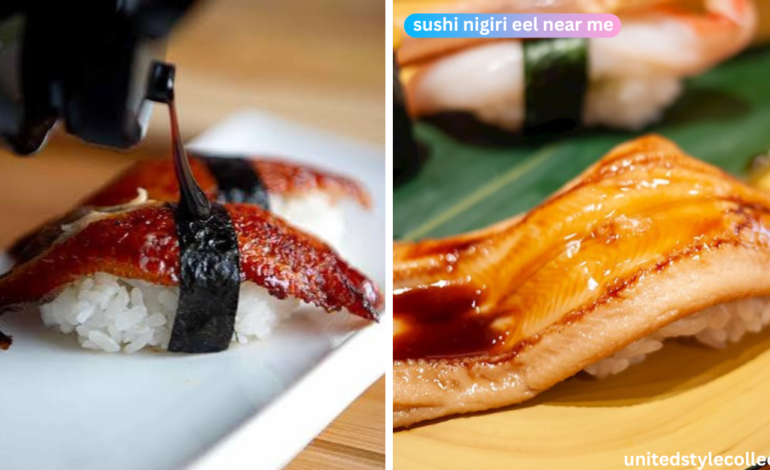
There’s a specific kind of hunger that hits when you remember unagi nigiri — that warm, glazed slice of eel sitting on a pillow of vinegared rice, sweet soy caramelizing on top. If you’re searching for sushi nigiri eel near me right now, you probably already know what you want. The real question is how to find it done right, close by, and without wasting a trip on a place that microwaves frozen eel and calls it sushi.
This guide walks you through what eel nigiri actually is, how to tell a good sushi spot from a mediocre one, what to expect to pay, and how to search smarter so you land on your plate faster.
What Is Eel Nigiri, Exactly?
Eel nigiri (called unagi nigiri on most menus) is a hand-pressed ball of seasoned sushi rice topped with a slice of grilled eel and brushed with a sweet-savory sauce called nitsume or tare. Unlike raw fish nigiri, eel is always cooked — it’s grilled, then often steamed, and brushed with sauce again before serving.
There are two eel types you’ll commonly see:
- Unagi — freshwater eel, richer and fattier, usually grilled with a sweet glaze
- Anago — saltwater conger eel, leaner and more delicate, common in traditional Edomae-style sushi
Most sushi restaurants in the U.S. and other Western countries serve unagi, since it’s more widely farmed and available. If a menu just says “eel nigiri” without specifying, it’s almost always unagi.
Why “Near Me” Searches Matter for Sushi
Sushi is one of those foods where freshness and turnover really matter. A place with high daily traffic tends to have fresher fish, better rice temperature control, and cooks who make nigiri constantly rather than prepping it hours in advance. That’s exactly why local search — not just any sushi recommendation online — makes a real difference for eel nigiri specifically. Eel needs to be reheated or glazed properly right before serving; if it’s been sitting, it turns rubbery and loses that melt-in-your-mouth texture.
So when you search sushi nigiri eel near me, you’re not just looking for convenience — you’re looking for a place likely to serve it fresh.
How to Actually Find Good Eel Nigiri Near You
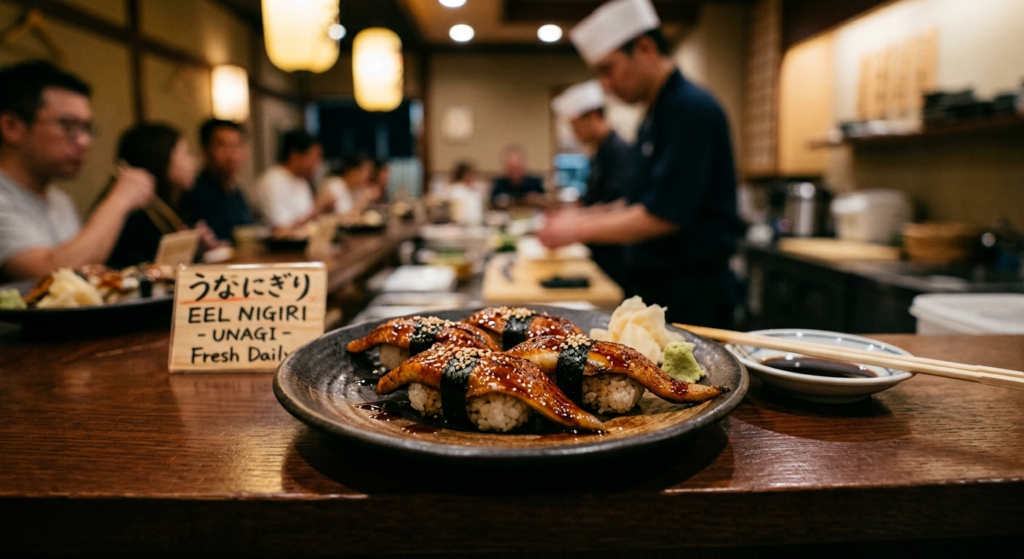
Here’s a practical approach that works better than just scrolling the first three map results.
1. Check Google Maps Reviews for Eel-Specific Comments
Don’t just look at the overall star rating. Search within reviews (many map apps let you filter by keyword) for “unagi,” “eel,” or “nigiri.” Reviewers who specifically mention the eel usually tell you if it was fresh, warm, and properly glazed — or dry and cold.
2. Look at the Menu Before You Go
A solid indicator: does the restaurant list unagi and anago separately, or offer eel in multiple forms (nigiri, sushi roll, don, or as an appetizer)? Restaurants that treat eel as a specialty rather than an afterthought tend to source it more carefully.
3. Ask About Sourcing
It’s completely reasonable to ask staff whether the eel is fresh-grilled in-house or pre-packaged and reheated. Many high-quality sushi spots grill unagi to order or in small batches throughout the day — that’s the sign of a kitchen that cares.
4. Time Your Visit
Lunch service and early dinner (right after the kitchen opens) often means fresher batches. Late-night orders at less busy spots can mean eel that’s been sitting under a heat lamp.
What Good Eel Nigiri Should Look and Taste Like
| Sign of Quality | Sign to Avoid |
|---|---|
| Warm, slightly caramelized glaze | Cold or gummy glaze that looks dried out |
| Eel is tender and slightly flaky | Eel is rubbery or tough to bite through |
| Rice is warm-to-room temp, holds shape gently | Rice is cold, hard, or falling apart |
| Balanced sweetness, not overly syrupy | Overpoweringly sweet sauce masking flavor |
| Thin nori strap (if used) is crisp | Nori is soggy or chewy |
Average Price for Eel Nigiri
Pricing varies a lot by city and restaurant tier, but here’s a general range you can expect in most U.S. metro areas:
- Casual sushi restaurants: roughly $4–$7 for two pieces of unagi nigiri
- Mid-range sushi bars: roughly $6–$10 for two pieces
- High-end omakase or specialty sushi counters: priced per piece as part of a tasting menu, often $8–$15+ per piece depending on the chef and eel quality
Prices shift with location, and eel cost specifically can fluctuate due to seasonal availability and import factors, so treat these as general ballpark figures rather than fixed numbers.
Eel Nigiri vs. Other Popular Nigiri Options
If you’re deciding what to order alongside your eel nigiri, here’s a quick comparison to help you round out your meal:
- Eel (Unagi) Nigiri — cooked, sweet-savory glaze, soft texture, beginner-friendly
- Salmon Nigiri — raw, buttery, mild flavor, very popular starter choice
- Tuna (Maguro) Nigiri — raw, lean, clean flavor, slightly firmer bite
- Shrimp (Ebi) Nigiri — cooked, mild and slightly sweet, good for those avoiding raw fish
- Yellowtail (Hamachi) Nigiri — raw, rich and buttery, stronger flavor than salmon
If you’re new to sushi or nervous about raw fish, eel nigiri and shrimp nigiri are both great entry points since they’re fully cooked.
ALSO READ: Morticia Addams Costume Elegant Gothic Style Guide
Is Eel Nigiri Safe and Healthy?
Because eel is cooked, it doesn’t carry the same raw-fish concerns as items like tuna or salmon nigiri, which makes it a common recommendation for people who are pregnant, immunocompromised, or simply prefer cooked seafood. That said, always check with a healthcare provider about seafood choices during pregnancy, since guidance can vary by individual health situation.
Nutritionally, eel is a decent source of protein and contains omega-3 fatty acids, though the nitsume glaze does add sugar. If you’re watching sugar intake, ask for the sauce on the side or in a smaller amount — most kitchens are happy to accommodate this.
A Few Tips From Regular Sushi-Goers
- Order eel nigiri toward the middle of your meal, not first — starting with lighter, milder fish helps you appreciate the layered flavors as you go.
- Skip the soy sauce dip with eel nigiri. It’s already glazed with sauce, and dipping it again usually just makes it too salty.
- If a restaurant offers “eel don” (eel over rice) as well as nigiri, ordering a small piece of nigiri first is a good way to test their eel quality before committing to a bigger dish.
- Freshwater unagi is farmed, so availability is generally steady year-round, unlike some wild-caught fish that have seasonal peaks.
Final Thoughts
Finding great eel nigiri near you isn’t about picking the closest sushi spot on the map — it’s about looking for signals of freshness: recent reviews mentioning the eel specifically, a menu that treats it as a real specialty, and a kitchen willing to talk about how they prepare it. Once you find a place that gets it right, that warm, glazed, melt-in-your-mouth bite is worth the extra bit of searching.
FAQs
Is eel nigiri raw or cooked?
Eel nigiri is always cooked. The eel is grilled and typically steamed as well, then glazed with a sweet soy-based sauce before serving. It’s never eaten raw.
What does eel nigiri taste like?
It has a rich, slightly sweet and savory flavor from the glaze, with a soft, tender texture. It’s often described as one of the more approachable sushi options for people new to Japanese cuisine.
What’s the difference between unagi and anago?
Unagi is freshwater eel, richer and fattier, and the most common type used in Western sushi restaurants. Anago is saltwater conger eel, leaner and milder, and more traditional in classic Edomae-style sushi.
How many calories are in a piece of eel nigiri?
This varies by portion size and glaze amount, but a single piece typically falls somewhere in the range of 40–70 calories. For an exact number, it’s best to check with the specific restaurant, since preparation styles differ.
Can I eat eel nigiri if I’m pregnant?
Since eel is cooked, many people consider it a safer sushi choice during pregnancy compared to raw fish options. However, it’s best to confirm with your doctor, as individual dietary guidance can vary.
How do I know if a sushi restaurant’s eel is fresh?
Check recent reviews for mentions of the eel specifically, ask staff whether it’s grilled fresh or reheated from packaging, and look for a warm, slightly caramelized glaze rather than a cold or overly sticky one.
For more updates visit: United Style Collective